May is National Mental Health Awareness Month and is observed to highlight the importance of mental well‑being, reduce stigma, and encourage people to seek support.

Key Aspects of Mental Health Awareness Month:

Raising Awareness and Reducing Stigma: Mental Health Awareness Month was established to increase understanding of mental health, normalize conversations, and challenge stigma that keeps people silent.

Promoting Community Connection and Support: A major focus is strengthening community ties-recognizing that healing and resilience grow when people feel supported, understood, and not alone.

Advocacy and Policy Awareness: Communities are encouraged to host advocacy events, promote mental health policy discussions, and increase visibilty with lighting public spaces green.

Honoring Lived Experience: Sharing personal stories is a central component, helping others feel seen and reducing isolation. Storytelling is a powerful tool for healing and community building.

text
text

Facts about Mental Health in the U.S.A.:

Prevalence and Symptoms:

  • About 23% (nearly 1 in 5) of adults in the USA live with a mental health condition.

  • 12.1% of adults report regular feelings of worry, nervousness, or anxiety.

  • 20% of adolescents (ages 12-17) have a diagnosed mental or behavioral health condition.

Barriers to Care:

  • Cost is a major barrier: 41% of adults cite cost as the reason they haven't accessed therapy that has increased from 25% the previous year.

  • 52.6% of adults with poor mental health have never tried therapy or psychiatry, highlighting significant unmet needs.

Broader Health Impacts:

  • Poor mental health is linked to worse care experiences, more chronic illness, and lower trust in the health system, according to a multi-country survey.

a close up of a person covering their face with their hands

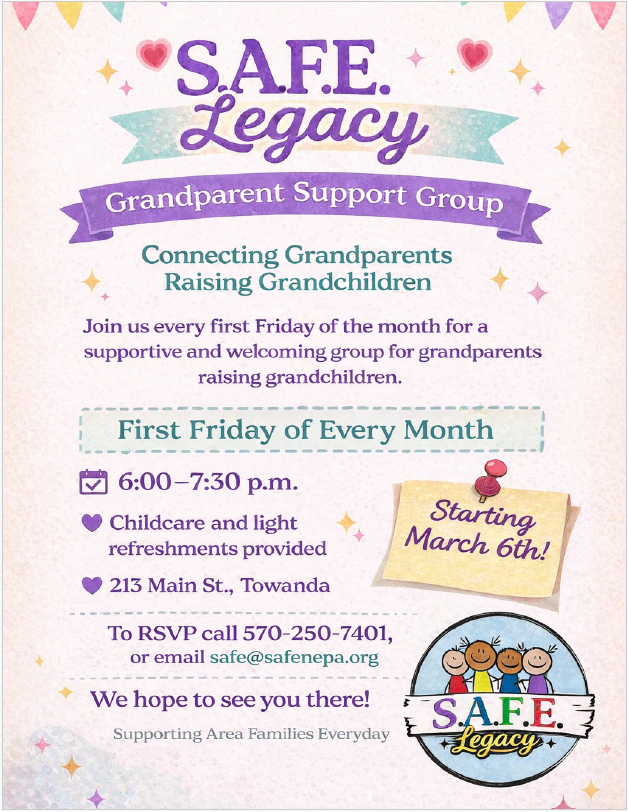
S.A.F.E.

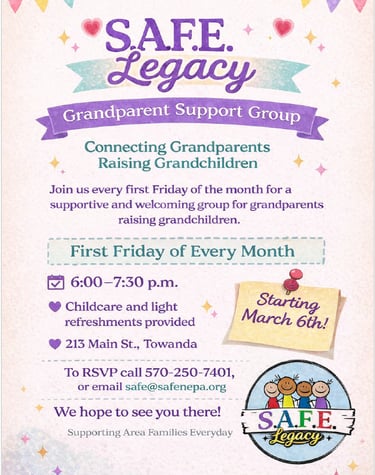
We’re excited to introduce S.A.F.E. Legacy, a new initiative for grandparents raising their grandchildren. It provides support, shared learning, community connection, and access to SAFE’s trauma‑informed resources. Meetings will be held on the first Friday of each month.
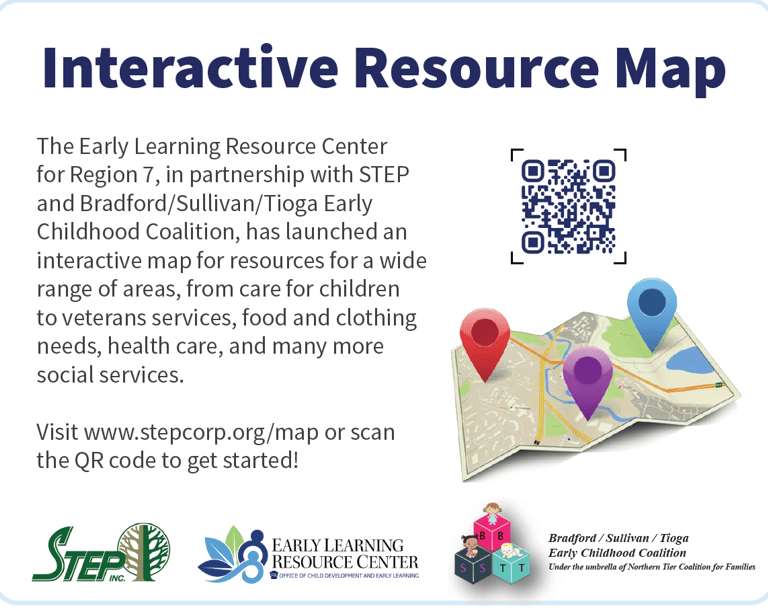
Interactive Resource Map

The ECC is excited to announce our Early Learning Resource Center (ELRC) Region 7 partner in partnership with STEP Inc has launched an interactive Resource Map. This resource map can assist our region with local resources for childcare, food and clothing, healthcare, veterans' services, and many more social services. Check out the Resource Map with scanning the QR Code or visiting their website at www.elrc7.org/map